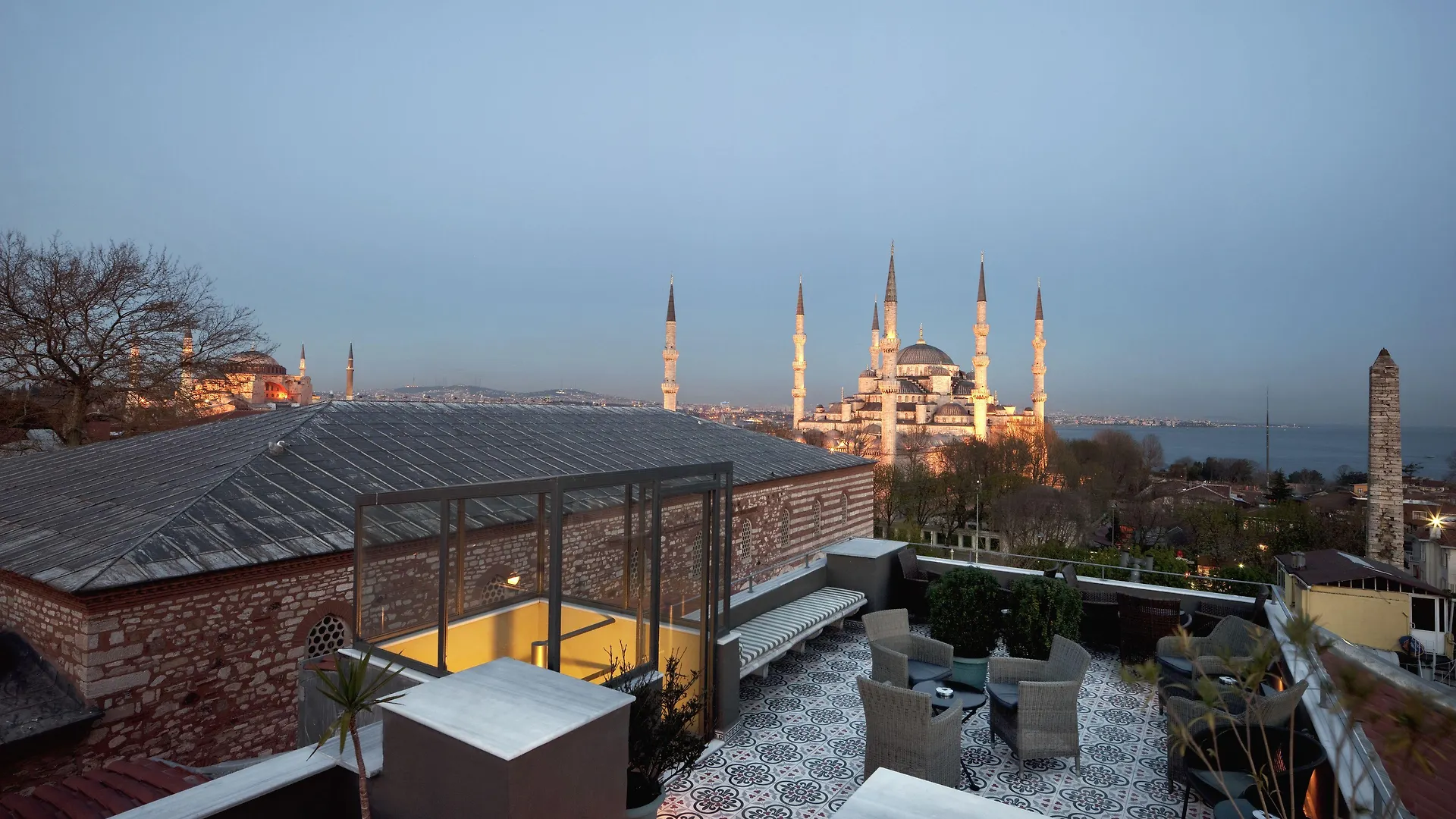
Beyazit Tower sits at the geographic and historic heart of Istanbul's Old City, rising above the Grand Bazaar and Istanbul University's grounds in the Beyazit district. Staying near this landmark puts you within walking reach of some of the city's densest concentration of monuments, markets, and transit connections - a practical advantage that goes well beyond sightseeing convenience.
What It's Like Staying Near Beyazit Tower
The Beyazit district is one of the most densely layered parts of Istanbul - historically, commercially, and logistically. The streets immediately surrounding Beyazit Tower feed directly into the Grand Bazaar to the east, the Sahaflar book market to the south, and the Süleymaniye Mosque complex to the north, meaning foot traffic is constant during daylight hours but drops significantly after 20:00. The tram line T1 runs along Ordu Caddesi just below the tower, connecting this zone to Sultanahmet, Karaköy, and Kabataş without requiring a taxi. Most of the central hotels in this area are clustered in the Sultanahmet and Beyazit zones, placing major landmarks within around a 15-minute walk.
The area suits travelers who want to move efficiently between the Old City's monuments without relying on transit for every trip. Those seeking quieter residential surroundings or direct waterfront access would find neighborhoods like Cihangir or Karaköy more aligned with their preferences.
Pros:
- Walking access to the Grand Bazaar, Blue Mosque, Hagia Sophia, and Topkapı Palace from most properties
- T1 tram stops at Beyazit and Sultanahmet eliminate the need for taxis across the Old City
- High density of restaurants, tea houses, and currency exchange points within a few blocks
Cons:
- Street vendors and tourist crowds on Divan Yolu Caddesi peak between 10:00 and 18:00
- Narrow historic streets make rideshare pickup points inconsistent
- Some alley-facing rooms in the Sultanahmet zone can be noisy during morning call to prayer
Why Choose Central Hotels Near Beyazit Tower
Central hotels near Beyazit Tower tend to occupy historic Ottoman-era buildings that have been converted into boutique or small-scale properties, giving them architectural character that purpose-built chain hotels in other districts lack. Nightly rates in this zone average around €120-€180 for a well-positioned mid-range property, with the trade-off being that room sizes are often more compact than equivalents in Taksim or Şişli - typical double rooms in converted Ottoman structures run around 22-28 m2. What these hotels trade in floor space, they compensate for with rooftop terraces, hammams, and proximity that removes the need for daily transit expenditure.
The key differentiator of central hotels here versus budget guesthouses in the same district is service infrastructure: 24-hour front desks, airport transfers, spa access, and included breakfast are standard in the category, which matters when arriving from Istanbul Airport on long international connections.
Pros:
- Ottoman architectural character not replicable in modern hotel zones
- Rooftop terraces with direct sightlines to the Blue Mosque and Hagia Sophia are common in this tier
- Breakfast inclusion at this category typically covers full Turkish spreads, reducing daily food costs
Cons:
- Compact room sizes in historic buildings - wardrobe and storage space can be limited
- Street-facing rooms on Divan Yolu Caddesi pick up tram and crowd noise during peak hours
- Parking is extremely limited; private parking is a notable premium feature where available
Practical Booking & Area Strategy
For proximity to Beyazit Tower with the best walkability balance, target hotels positioned on or just off Divan Yolu Caddesi - this arterial road connects Beyazit directly to Sultanahmet Square and keeps you within a genuine 10-minute walk of the tower itself. Hotels a block or two south, toward Küçük Ayasofya Caddesi or the Arasta Bazaar area, gain quieter surroundings without adding meaningful transit time. The Beyazit tram stop on the T1 line is the area's main mobility asset - from here you reach Eminönü (for Galata Bridge and ferries) in around 8 minutes, or Kabataş (for the funicular to Taksim) in under 20 minutes.
Beyond the tower itself, this district puts you within walking reach of the Grand Bazaar (5 minutes), the Süleymaniye Mosque (12 minutes on foot), and the Basilica Cistern (10 minutes). Book at least 6 weeks ahead for April-June and September-October travel - these are the peak months in this corridor and well-positioned central hotels sell out consistently. For January and February stays, last-minute rates can drop noticeably, and the crowds around the Grand Bazaar thin enough to make the area genuinely pleasant for slow exploration.
Best Value Stays
These properties deliver strong location-to-price ratios in the Sultanahmet and Beyazit corridor, with reliable facilities and walkable access to the tower and surrounding landmarks.
-
1. Hotel Ibrahim Pasha
Show on map


 Check-infrom 13:00 until 23:59Check-outuntil 12:00
Just a few rooms left at the best rate!
fromTL 3895
-
2. Kate Hotel Special Class & Spa
Show on map


 Check-infrom 14:00 until 23:59Check-outuntil 12:00
Just a few rooms left at the best rate!
fromTL 9807
-
3. Mula Hotel
Show on map


 Check-infrom 15:00 until 23:59Check-outuntil 12:00
Hurry – almost gone at this price!
fromTL 11871
Best Premium Stays
These two properties stand out for their facility depth, architectural positioning, and additional guest experiences - including cooking classes, indoor pools, and spa centres - that go beyond standard central hotel offerings in the Beyazit and Sultanahmet zones.
-
4. Sirkeci Mansion
Show on map


 Check-infrom 14:00 until 23:30Check-outfrom 07:00 until 12:00
Hurry – almost gone at this price!
fromTL 6616
-
5. Great Fortune Design Hotel & Spa
Show on map


 Check-infrom 14:00 until 23:59Check-outfrom 10:00 until 12:00
Rooms filling fast – secure the best rate!
fromTL 3941
Smart Travel & Timing Advice
The Beyazit and Sultanahmet corridor operates on a pronounced seasonal rhythm. April through June is the busiest booking window - the combination of mild temperatures, lower rainfall, and school holiday travel from European markets drives both crowd density and pricing upward. September and October mirror this pattern, with the added factor of reduced summer heat making walking between landmarks more manageable. Central hotels in this zone regularly show occupancy above 90% in these windows, and last-minute availability becomes a genuine risk for well-reviewed properties.
July and August bring the highest temperatures - regularly above 30°C - and significant tour group volume concentrated around the Grand Bazaar and Sultanahmet Square. Prices remain high but room availability is somewhat more flexible than in spring. January and February are the clearest value months: rates at mid-tier central hotels can drop noticeably, crowds around the tower and bazaar thin substantially, and the city's cultural infrastructure - museums, restaurants, hammams - remains fully operational. A stay of 3 nights is the practical minimum to explore the Beyazit zone thoroughly; 4 to 5 nights allows day trips to the Bosphorus, Kadıköy, or the Princes' Islands without compressing the Old City itinerary.